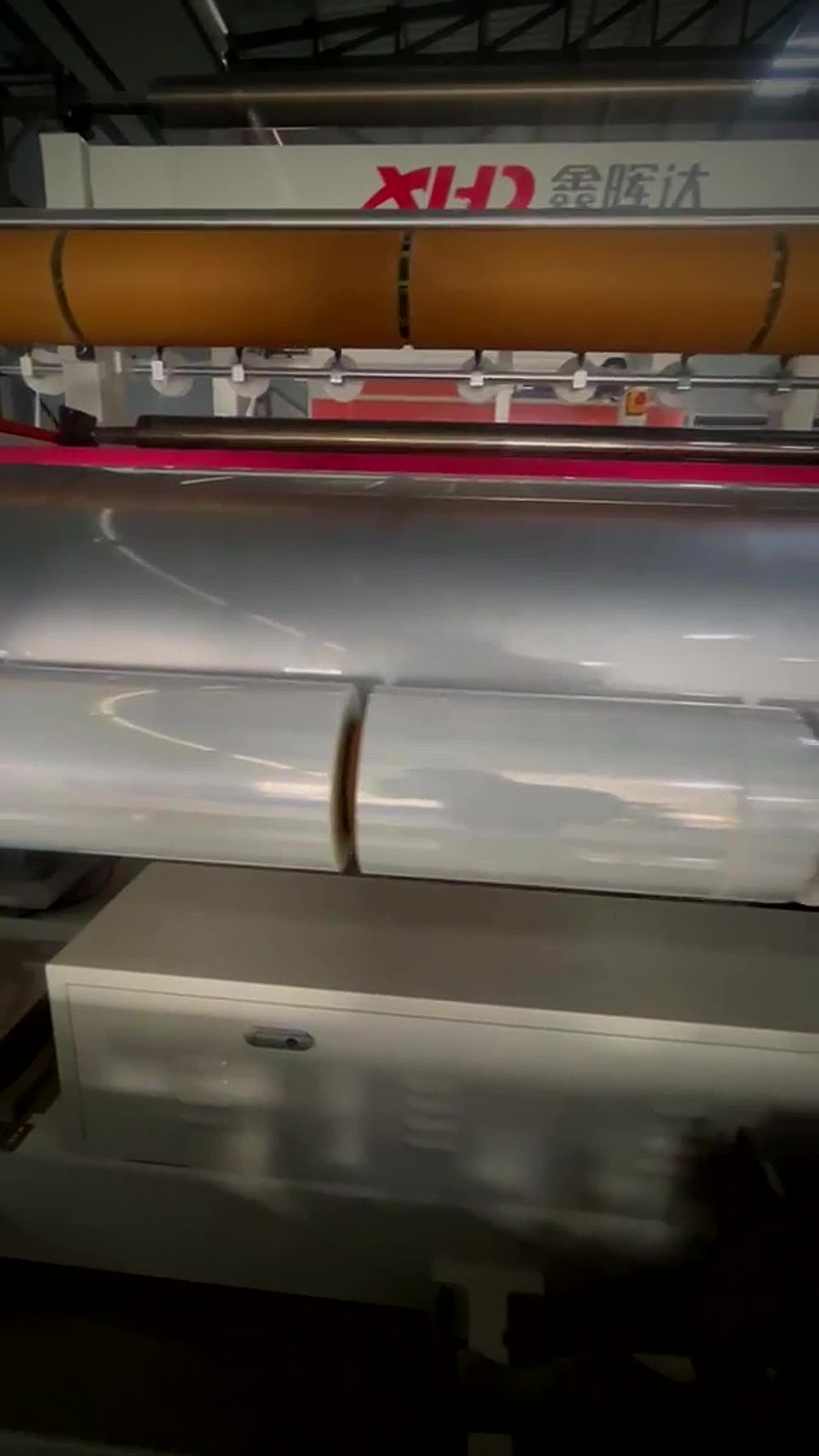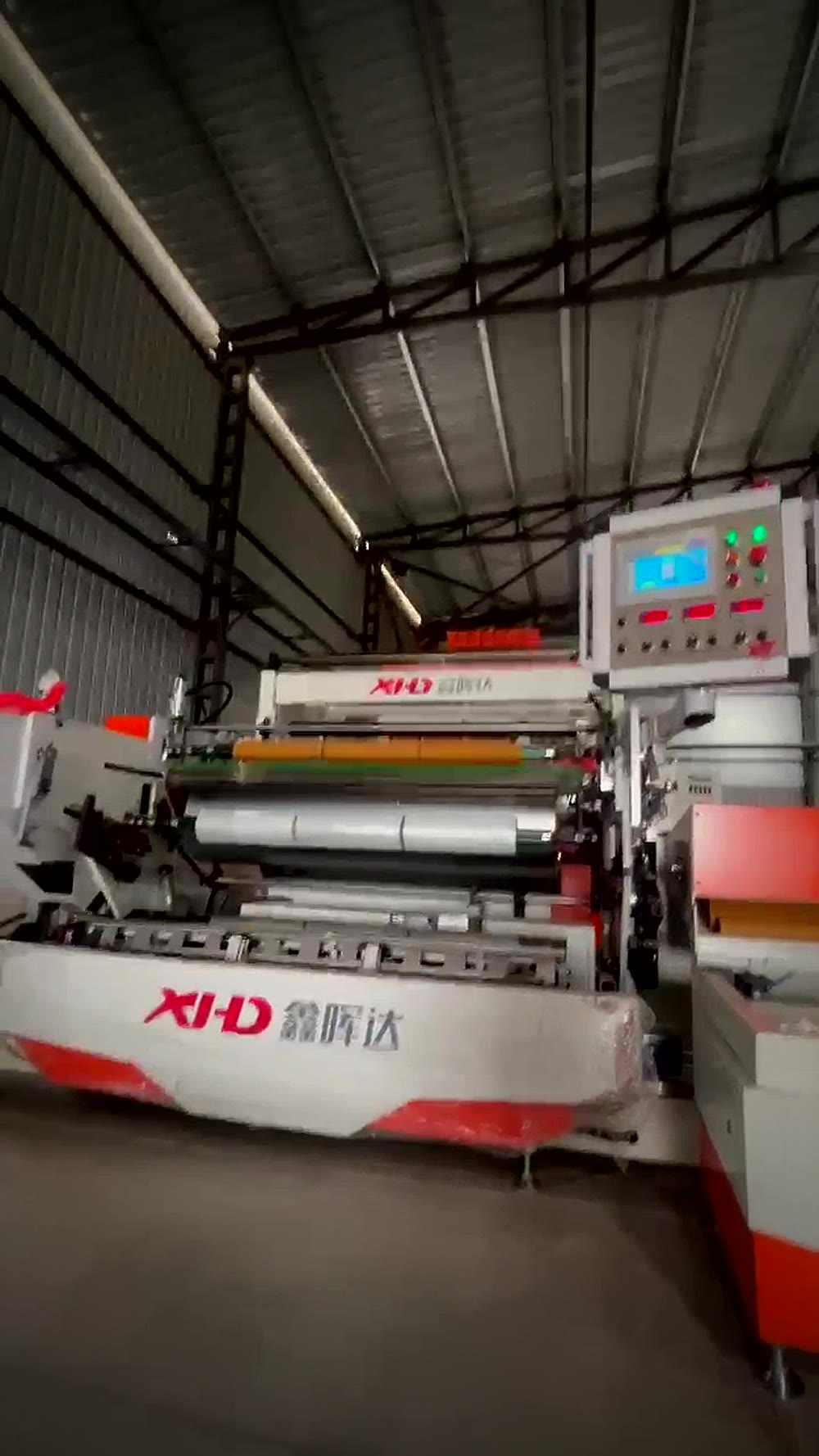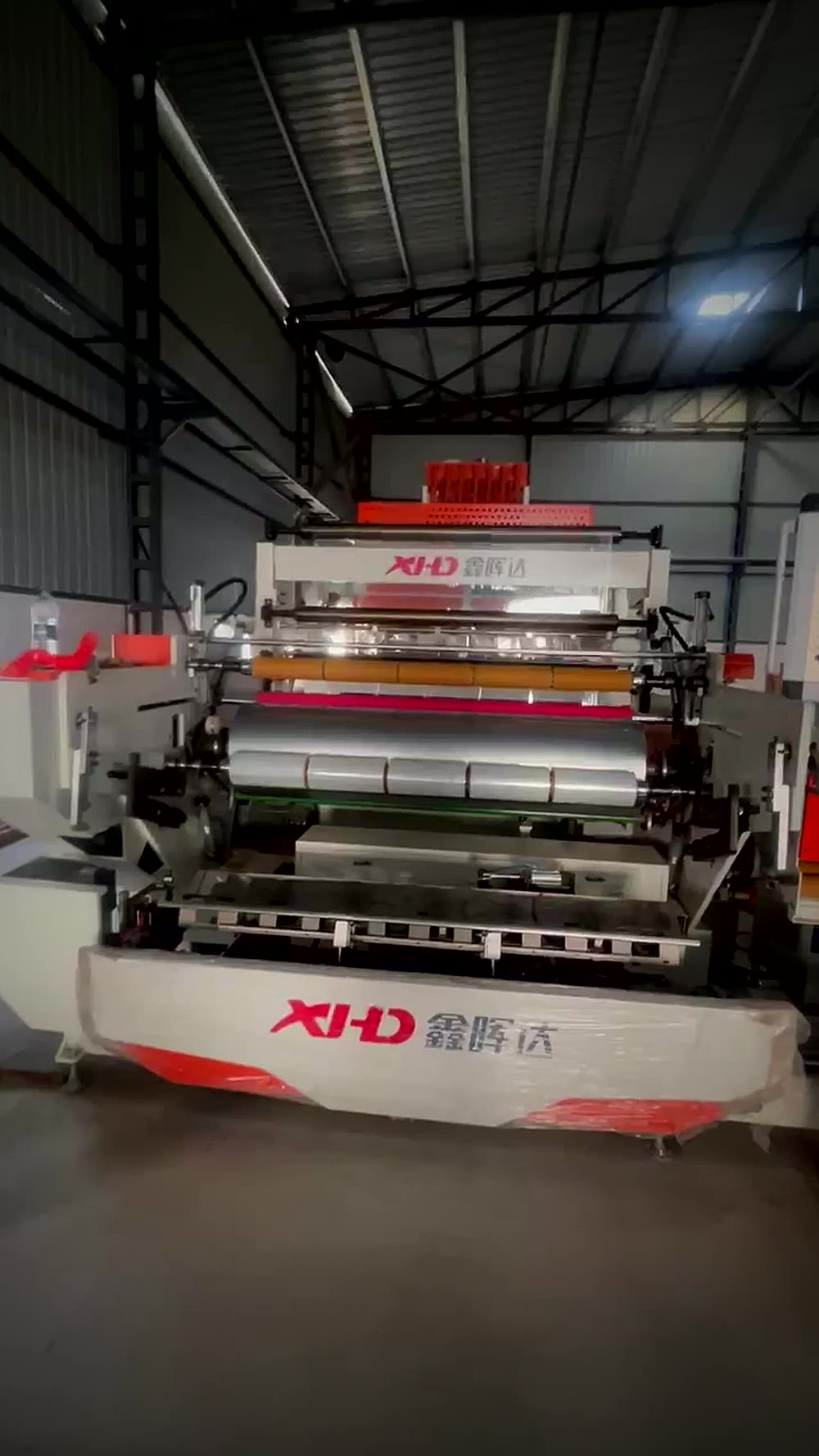
'What micron should I order?' It's the single most-asked question in every stretch film enquiry — and the answer isn't 'the highest number you can afford'. The right micron is the one that stabilises your pallet at the lowest film cost per shipment. Getting it wrong in either direction is expensive: too thin and you get transit damage claims; too thick and you're literally throwing money into a container.
First, understand what micron actually means
Micron (μm) is the thickness of the film — 1 micron = 0.001 mm. Standard LLDPE cast stretch film is manufactured from 8 μm to 51 μm. At the low end (8–12 μm) you're looking at ultra-thin pre-stretched films for light bundling. At the high end (35–51 μm) you're specifying hand-grade or heavy-duty films for sharp-edged industrial loads.
Micron ranges and their real-world use cases
8 – 12 μm — Pre-stretched / bundling
Used only when the film is pre-stretched at the factory. Weighs 30–50% less per pallet than standard 20 μm, which massively reduces film cost per pallet — but requires machines that support pre-stretched film or manual applicators designed for thin gauge.
12 – 17 μm — Light hand-grade
Ideal for light retail cartons, e-commerce fulfilment pallets, indoor movement within warehouses. Not recommended for export sea freight — humidity, pallet shift and long transit can compromise these gauges.
17 – 25 μm — The workhorse zone
This is where 70% of export shipments settle. 20 μm machine-grade LLDPE stretch film handles standard FMCG, dry goods, non-fragile industrial pallets, and general logistics. Excellent balance of cost, cling and puncture resistance. Recommended default for most first-time exporters.
25 – 35 μm — Heavy load / sharp edges
For metal parts, tiles, machinery components, or any load with protruding corners. Also used when a pallet needs to survive multiple handling touchpoints (e.g., port-to-port transhipment with cross-docking).
35 – 51 μm — Specialty heavy-duty
Rare in general logistics. Used for extreme industrial applications, agricultural bales, and construction-material palletisation.
Machine grade vs. hand grade — what's the real difference?
Machine grade is engineered for automatic wrappers — consistent gauge across the roll, high-tension application, high yield per pallet. Hand grade is lighter, easier to tear, ergonomic for manual wrapping. If your dispatch team wraps by hand, machine grade will feel too heavy and stretch inconsistently. If you have a wrapping machine, hand-grade rolls will empty far too quickly.
A practical decision framework
- Light e-commerce pallets, warehouse-only movement → 15–17 μm hand grade
- Standard FMCG / dry-goods export pallet → 20 μm machine grade (or 20 μm hand grade for manual dispatch)
- Heavy or sharp-edged industrial → 25–30 μm machine grade
- High-volume shipper, cost-sensitive → 12 μm pre-stretched film + compatible applicator
- Sustainability requirement (EU/UK/USA buyer) → biodegradable variant in your chosen micron
Width and roll length also matter
For a standard 1200×1000 mm export pallet, 500 mm width is optimal. Narrower widths (250–400 mm) work for bundle wrapping. 1000 mm widths are used for large or awkwardly shaped loads. Roll length affects downtime — longer rolls (1500–3000 m) mean fewer roll changes on automatic wrappers, better for high-throughput operations.
Order small, sample first
Every serious stretch film supplier — Wellpack Polyplast included — will send a small sample roll for testing before you commit to a container-load. Wrap 3–5 test pallets, load them onto a container-simulation, and check for load shift after 24 hours. Only then finalise your specification.